Cub Scout Six Essentials: A Comprehensive Guide (Updated April 21, 2026)
Cub Scout Pack 73 details the essentials – first-aid, map, compass, sun protection, extra food, and water – for safe outdoor adventures․
What are the Cub Scout Six Essentials?
The Cub Scout Six Essentials are a carefully curated set of safety items every scout should carry during outdoor activities like hikes and campouts․ These aren’t just suggestions; they are fundamental for preparedness and responding to unexpected situations․
As highlighted by Cub Scout Pack 73, the six essentials encompass: a comprehensive First-Aid Kit (including bandages and moleskin), a reliable Map for navigation, a Compass to determine direction, effective Sun Protection (sunscreen, hats), sufficient Extra Food for energy, and ample Extra Water to prevent dehydration․
Understanding and consistently utilizing these essentials empowers young scouts with self-reliance and contributes to a safer, more enjoyable outdoor experience․ They form the bedrock of responsible scouting practices․
Why are the Six Essentials Important for Cub Scouts?
The Six Essentials are paramount for Cub Scout safety and development, fostering responsibility and preparedness in the outdoors․ They equip young scouts to handle minor injuries and unexpected challenges independently, building confidence and self-reliance․
Cub Scout Pack 73 emphasizes that carrying these items isn’t merely about following rules; it’s about learning crucial life skills․ Knowing how to use a first-aid kit, read a map, or stay hydrated are valuable lessons extending far beyond scouting․
Furthermore, the Six Essentials promote a culture of proactive safety, encouraging scouts to think ahead and be prepared for various scenarios, ultimately enhancing the overall scouting experience․
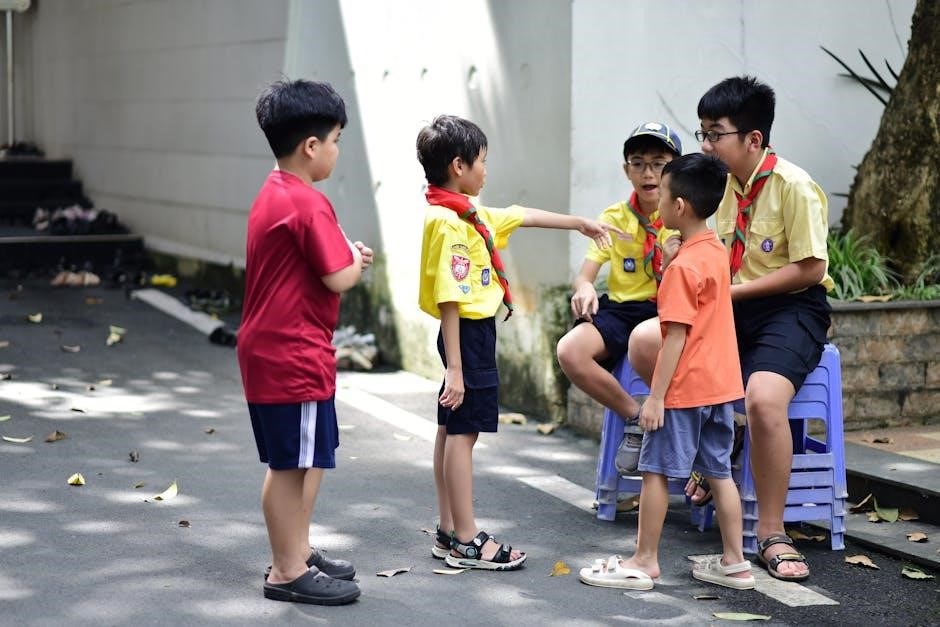
The Six Essentials Breakdown
Detailed exploration of each essential – first-aid, map, compass, sun protection, food, and water – providing insights into their specific components and practical applications․
First-Aid Kit
A well-stocked first-aid kit is paramount for any Cub Scout outing, addressing minor injuries that inevitably occur during outdoor activities․ Cub Scout Pack 73 emphasizes essentials like adhesive bandages of various sizes, crucial for covering cuts and scrapes․ Moleskin prevents blisters, a common ailment during hikes․
Gauze pads and antiseptic wipes are vital for cleaning and dressing wounds, preventing infection․ Don’t forget antibiotic ointment to further protect against bacteria․ Consider including pain relievers appropriate for children, and emergency contact information․ A first-aid manual tailored for youth can empower Scouts to assist responsibly, under adult supervision․ Regularly check and replenish the kit to ensure its readiness․
Essential Components of a Cub Scout First-Aid Kit
Building a comprehensive kit begins with adhesive bandages – assorted sizes are key for varied injuries․ Include sterile gauze pads (2×2 and 4×4 inches) for wound dressing and controlling bleeding․ Antiseptic wipes or solution are crucial for cleaning cuts before bandaging, preventing infection․ Moleskin is vital for blister prevention and treatment during hikes․
Pack antibiotic ointment to protect wounds from bacteria․ Consider including pain relievers (ibuprofen or acetaminophen), appropriate for children’s dosages, with parental permission․ Safety pins secure bandages, and tweezers remove splinters․ A small, current first-aid guide provides helpful instructions․ Finally, include emergency contact information and allergy details for each Scout․
Addressing Common Cub Scout Injuries
Minor cuts and scrapes are frequent; clean with antiseptic wipes, apply antibiotic ointment, and cover with a bandage․ Blisters require moleskin application before they form, or careful draining and bandaging if already present․ Sprains benefit from RICE – Rest, Ice, Compression, and Elevation – and a supportive bandage․
Insect bites and stings can be treated with cool compresses and antihistamine cream (if no allergies)․ Splinters are removed with tweezers, ensuring the area is clean․ For more serious injuries, like suspected fractures or severe bleeding, seek immediate adult assistance and follow established emergency protocols․ Knowing basic first aid empowers Scouts and leaders to respond effectively․
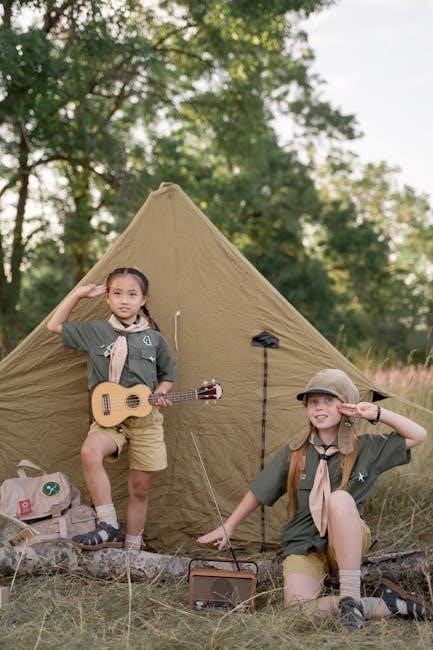
Map
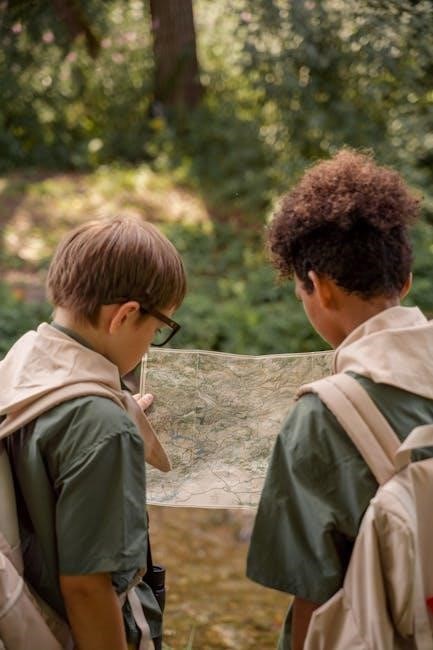
A map is crucial for navigating trails and understanding the surrounding environment during Cub Scout outings․ It provides a visual representation of terrain, landmarks, and potential hazards․ Selecting a map appropriate for the planned activity is key – topographic maps are ideal for hiking, showing elevation changes․
Understanding how to read a map builds confidence and independence․ Scouts learn to identify key features, estimate distances, and orient themselves; Maps should be waterproof or protected in a plastic case․ Combining map skills with a compass allows for precise navigation, even in unfamiliar territory, fostering a sense of adventure and self-reliance․
Understanding Map Symbols for Cub Scouts
Map symbols are a visual language that unlocks the information contained within a map․ For Cub Scouts, learning these symbols is fundamental to safe and successful navigation․ Common symbols represent features like trails, roads, buildings, water sources (rivers, lakes), and elevation contours․
Introducing symbols gradually, with hands-on practice, is most effective․ Activities can involve identifying symbols on a map and then locating corresponding features in the real world․ Understanding what each symbol means empowers Scouts to interpret the map and make informed decisions about their route and surroundings, building crucial outdoor skills․
Basic Map Reading Skills for Young Scouts
Introducing map orientation is key: aligning the map with the terrain using landmarks․ Teach Scouts to identify North on both the map and using a compass․ Then, practice estimating distances using the map’s scale – relating map measurements to real-world distances․
Simple route planning exercises are beneficial․ Have Scouts identify a starting point and destination, then trace a path on the map, noting key features along the way․ Emphasize the importance of following trails and avoiding hazardous terrain․ These skills build confidence and promote responsible outdoor exploration․
Compass
A reliable compass is crucial for navigation, especially when trails are unclear or visibility is limited․ It allows Scouts to maintain direction and avoid getting lost during hikes and campouts․ Understanding how a compass works – the magnetic needle aligning with the Earth’s magnetic field – is fundamental․
Pairing compass skills with map reading creates a powerful navigational tool․ Scouts learn to take bearings, follow a course, and orient themselves in the outdoors․ This fosters independence, problem-solving abilities, and a deeper appreciation for the natural world․ Proper compass use builds confidence and ensures safe adventures․
How to Use a Compass with a Map
Combining a map and compass begins with orienting the map – aligning it with the surrounding terrain․ Place the compass on the map, rotating both until the compass needle aligns with North on the map․ This establishes a common reference point․
To follow a bearing, identify your starting point and destination on the map․ Draw a line connecting them, then use the compass to determine the bearing (angle) of that line․ Rotate the compass housing until the desired bearing aligns with the direction-of-travel arrow, then follow that arrow in the field․ Practice makes perfect!
Compass Variations Suitable for Cub Scouts
For young Scouts, simple baseplate compasses are ideal․ These feature a clear baseplate for map work, a rotating bezel marked in degrees, and a magnetic needle․ Avoid complex features initially, focusing on basic navigation skills․
Thumb compasses, while favored by experienced orienteers, can be challenging for beginners․ Liquid-filled compasses offer a more stable needle, reducing wobble, but aren’t essential for Cub Scout activities․ Consider a brightly colored compass for easy visibility․
Teaching declination (the difference between magnetic and true north) is advanced; focus on using the compass relative to the map first․
Sun Protection
Protecting Cub Scouts from the sun is crucial during outdoor activities․ Prolonged exposure can lead to sunburn, heat exhaustion, and long-term skin damage․ Sun protection isn’t just for sunny days; UV rays penetrate clouds․
Effective sun protection involves multiple layers․ Broad-spectrum sunscreen with an SPF of 30 or higher should be applied liberally and reapplied every two hours, or more often if swimming or sweating․
Encourage Scouts to wear hats with brims to shade their faces and necks, and sunglasses that block 100% of UVA and UVB rays․ Protective clothing, like long sleeves and pants, can also minimize sun exposure․
Importance of Sunscreen for Outdoor Activities
Sunscreen is paramount for Cub Scouts during any outdoor adventure, acting as a primary defense against harmful ultraviolet (UV) radiation․ Even on cloudy days, UV rays can penetrate and cause skin damage, leading to sunburn, premature aging, and increasing the risk of skin cancer later in life․
Choosing the right sunscreen is key; opt for broad-spectrum protection with an SPF of 30 or higher․ Application should be generous, covering all exposed skin, and reapplied every two hours, or immediately after swimming or excessive sweating․
Educate Scouts about the importance of sunscreen and make it a routine part of their outdoor preparation․ Consistent use protects their sensitive skin and ensures a safer, more enjoyable experience․
Hats, Sunglasses, and Protective Clothing

Complementing sunscreen, hats, sunglasses, and protective clothing form a crucial layer of sun defense for Cub Scouts․ A wide-brimmed hat shields the face, ears, and neck – areas often missed by sunscreen application – significantly reducing sun exposure․
Sunglasses are essential for protecting delicate eyes from UV damage, preventing cataracts and other vision problems; Ensure they offer 100% UV protection․ Lightweight, long-sleeved shirts and pants provide physical barriers against the sun, keeping skin cool and covered․

Consider clothing with built-in UPF (Ultraviolet Protection Factor) for enhanced protection during extended outdoor activities․ These measures, combined with sunscreen, create a robust sun safety strategy․
Extra Food
Packing extra food is a cornerstone of Cub Scout preparedness, ensuring energy levels remain high during hikes and campouts․ Non-perishable snacks are key – think trail mix, granola bars, dried fruit, nuts, and jerky․ These provide sustained energy without requiring refrigeration․
Avoid sugary treats that cause energy crashes․ Focus on protein and complex carbohydrates for lasting fuel․ Consider individual packaging for easy distribution and portion control․
Calculating food needs depends on activity level and duration․ A good rule of thumb is to pack at least one extra day’s worth of food, accounting for unexpected delays or increased exertion․ Proper nutrition supports safe and enjoyable scouting experiences․
Non-Perishable Snack Options for Cub Scouts

Selecting the right snacks is vital for maintaining Cub Scout energy levels on the trail․ Excellent choices include trail mix, offering a blend of carbohydrates, protein, and healthy fats․ Granola bars provide a convenient and relatively nutritious boost, but check sugar content․
Dried fruits like raisins, apricots, and mangoes are lightweight and packed with natural sugars for quick energy․ Nuts and seeds deliver sustained energy and essential nutrients․ Beef jerky or other meat snacks offer protein for muscle recovery․
Consider individually wrapped portions to prevent crushing and simplify sharing․ Avoid snacks that melt easily or require refrigeration․ Prioritize options that are easy to eat while hiking․
Calculating Food Needs for Hikes and Campouts
Determining appropriate food quantities requires considering the duration and intensity of the activity․ For day hikes, plan for approximately 100-200 calories per hour of hiking․ Longer campouts necessitate more detailed planning․
Factor in each Scout’s age, size, and activity level․ Younger Scouts or those engaging in strenuous activities will require more calories․ A general guideline is 2,000-3,000 calories per day for active Scouts․
Pack extra food to account for unexpected delays or increased appetites․ It’s always better to have too much than not enough․ Distribute weight evenly among backpacks, and consider pre-packaging meals for convenience․
Extra Water
Adequate hydration is paramount during any Cub Scout outdoor activity․ Scouts should carry enough water to stay properly hydrated, especially during physical exertion and warm weather․ A general recommendation is at least 2 liters of water per Scout per day, but this can vary․
Consider the climate and activity level when determining water needs․ Hot weather and strenuous hikes require increased water intake․ Encourage Scouts to drink water frequently, even if they don’t feel thirsty․
Having backup water purification methods is crucial․ Simple options include water purification tablets or a portable water filter, ensuring access to safe drinking water in emergencies․
Hydration Strategies for Cub Scout Events
Proactive hydration is key for successful Cub Scout outings․ Leaders should schedule regular water breaks – every 20-30 minutes during activity – and actively encourage Scouts to drink․ Avoid waiting until someone says they’re thirsty, as that indicates dehydration has already begun․
Buddy system reminders can help ensure everyone stays hydrated․ Pair Scouts to remind each other to drink water throughout the event․ Leaders should also visibly drink water themselves, setting a positive example․
Monitor urine color as a quick hydration check; pale yellow indicates good hydration, while dark yellow suggests dehydration․ Adjust water intake accordingly․
Water Purification Methods (Simple Options)
While carrying sufficient water is ideal, knowing purification methods is a valuable backup․ For Cub Scouts, boiling water is the most reliable method – bring to a rolling boil for one minute to kill harmful bacteria and viruses․ This requires a heat source and appropriate containers․
Water purification tablets, readily available and lightweight, are another option․ Follow package instructions carefully, as treatment times vary․ These are suitable for older Scouts with proper supervision․
Simple filtration, using cloth to remove sediment, can improve water clarity but doesn’t eliminate pathogens․ It’s a pre-treatment step, not a purification method itself․
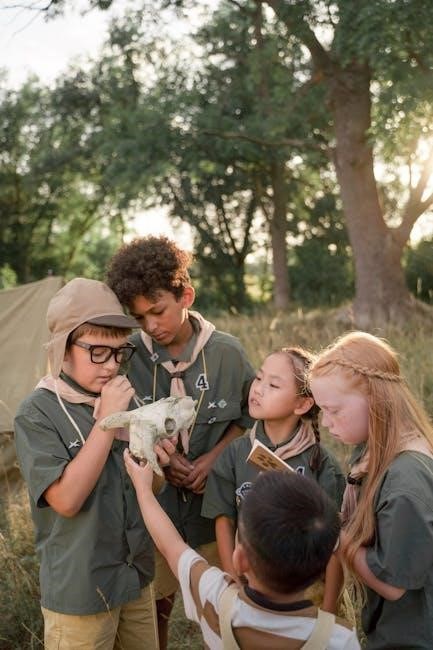
Creating a Cub Scout Six Essentials Kit
Assembling a kit requires balancing necessary items with weight and size considerations, ensuring each Cub Scout can comfortably carry their personal gear․
Packing Considerations: Weight and Size
Careful consideration must be given to the weight and size of each item when assembling a Cub Scout’s Six Essentials kit․ Young Scouts have limited strength and endurance, so minimizing weight is crucial for a positive experience․
Prioritize lightweight options for each essential – a compact first-aid kit, a small map and compass, travel-sized sunscreen, and individually wrapped snacks․ Avoid bulky containers and unnecessary items․
The kit should be appropriately sized for the Scout’s backpack, leaving room for other necessary gear like clothing and a sleeping bag․ A well-balanced pack prevents strain and promotes safe hiking․ Regularly review the kit’s contents, removing anything unused or redundant․
Kit Organization and Accessibility
Effective organization is paramount for a useful Six Essentials kit․ Utilize a dedicated pouch or backpack compartment to keep all items together and prevent loss; Clear labeling of contents is highly recommended, especially for younger Scouts․
Accessibility is key; the kit should be easily reachable within the backpack, not buried under layers of gear․ Consider using brightly colored pouches or attaching a small carabiner for quick identification․
Regularly practice accessing the kit’s contents during den meetings or practice hikes․ This ensures Scouts can quickly locate and utilize essential items in an emergency situation, fostering confidence and preparedness․
Resources and Further Information
Official BSA resources and a downloadable checklist (PDF) provide comprehensive guidance on the Six Essentials, ensuring Cub Scouts are well-prepared․
Official BSA Resources on the Six Essentials
The Boy Scouts of America (BSA) offers a wealth of information regarding outdoor safety, with a strong emphasis on the Six Essentials․ Their official website, scouting․org, provides detailed guides and articles specifically tailored for Cub Scout leaders and families․ These resources cover each essential item – from comprehensive first-aid protocols to advanced map and compass navigation techniques․
Furthermore, the BSA’s publications, such as the Cub Scout Leader Book and various outdoor skills pamphlets, delve deeper into the practical application of these essentials․ You can often find downloadable PDFs of checklists and guides directly on the BSA website, ensuring your pack is consistently following best practices․ These resources are regularly updated to reflect current safety standards and recommendations, making them invaluable tools for a successful and secure Cub Scout experience․
Downloadable Cub Scout Six Essentials Checklist (PDF)
To simplify preparation for your next Cub Scout adventure, a convenient downloadable PDF checklist is readily available․ This checklist meticulously outlines each item within the Six Essentials – first-aid supplies, map, compass, sun protection, extra food, and water – ensuring nothing is overlooked․
Several scouting resources and pack websites offer these checklists, often customizable to suit specific trip durations and environments․ Cub Scout Pack 73, for example, may provide a tailored version․ Utilizing a PDF checklist streamlines packing, promotes responsibility among Scouts, and serves as a valuable reference during pre-trip inspections․ Download and print copies for each Scout and leader to guarantee everyone is adequately prepared for a safe and enjoyable outdoor experience․