Overview of the Insect Lore Butterfly Garden Kit
Explore the Insect Lore Butterfly Garden Kit: a compact, educational set featuring five caterpillars, a clear dome, life‑cycle panel, and a STEM journal. Follow clear instructions to observe metamorphosis, care for larvae, and release butterflies responsibly. Ideal for classrooms, homes, and science projects
Contents of the Kit
The Insect Lore Butterfly Garden Kit arrives in a sturdy, reusable box that opens to reveal a carefully organized assortment of components designed for a seamless learning experience. Inside, you’ll find five healthy painted‑lady caterpillars, each housed in a small, breathable plastic container that keeps them safe during transport. The kit also includes a clear, ultra‑transparent observation dome that can be placed over the caterpillars to allow 360° viewing while protecting them from drafts and accidental handling. A fold‑out life‑cycle panel accompanies the dome, illustrating the stages from egg to chrysalis to butterfly, and serves as a handy reference for students and parents alike. The STEM Butterfly Journal is a double‑sided, spiral‑bound booklet that contains guided prompts, space for drawings, and sections for recording observations, making it an excellent tool for documenting the metamorphosis and reinforcing scientific concepts. Additionally, the package contains a set of feeding trays, a small, labeled feeding dish, and a selection of fresh host‑plant leaves that caterpillars prefer, ensuring they have the nutrition needed for healthy growth. Finally, a detailed instruction sheet provides step‑by‑step guidance on unboxing, setting up the enclosure, and caring for the caterpillars until they emerge as butterflies. All materials are child‑safe, non‑toxic, and designed to be reused for multiple cycles, making this kit both educational and environmentally friendly.
Each component is labeled with clear, child‑friendly icons and a brief description, so even young learners can identify and handle the parts without confusion. The observation dome is 6 inches tall and 4 inches in diameter, providing ample space for the caterpillars while keeping the enclosure light and portable. The feeding trays are made from BPA‑free plastic and feature a removable lid for easy cleaning. The host‑plant leaves come from certified organic sources, ensuring no pesticides or harmful chemicals are present. The instruction sheet is printed on recycled paper and includes diagrams that illustrate the proper orientation of the dome, the placement of the feeding trays, and the recommended temperature range for optimal development. The kit’s design encourages repeated use: after the butterflies are released, the dome and trays can be cleaned and reused for a new batch of caterpillars, reducing waste and cost.
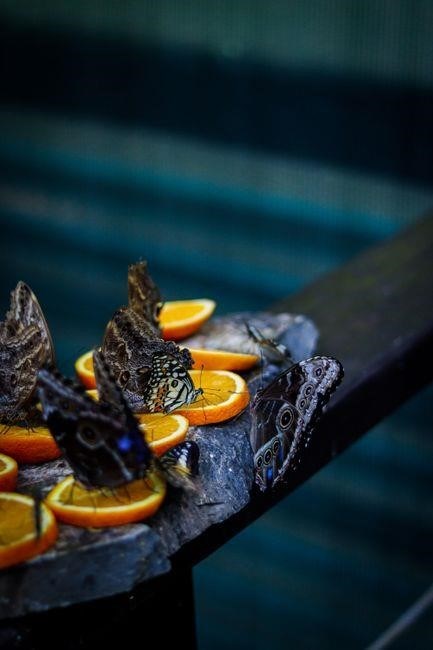
Key Features
Insect Lore’s Butterfly Garden Kit boasts a suite of thoughtfully engineered features that elevate both educational impact and user experience. The ultra‑clear observation dome, 6 inches tall and 4 inches wide, offers a 360° view of the caterpillars while shielding them from drafts and accidental touch. The lightweight, BPA‑free plastic construction ensures durability and easy transport. The fold‑out life‑cycle panel, printed on high‑resolution, eco‑friendly paper, visually maps each developmental stage—egg, larva, chrysalis, adult—providing a quick reference for students and parents. The STEM Butterfly Journal, double‑spined and spiral‑bound, contains guided prompts, observation logs, and space for sketches, encouraging active engagement and reinforcing scientific literacy. Each of the five painted‑lady caterpillars arrives in a breathable, child‑safe container that maintains optimal humidity and temperature. The kit includes a set of feeding trays with a removable lid, a BPA‑free feeding dish, and a curated selection of organic host‑plant leaves, ensuring the caterpillars receive the nutrition they need. A comprehensive instruction sheet, printed on recycled paper, offers step‑by‑step guidance on unboxing, setup, feeding schedules, and release protocols. All components are labeled with clear icons and concise descriptions, making kit accessible to users of all ages. The design promotes reuse: after release, the dome and trays can be cleaned and reused, waste cost. Together, these features create a hands‑on, repeatable learning experience that blends science, observation, and environmental stewardship. Parents and teachers can also integrate the kit into curriculum standards, such as Next Generation Science Standards, to meet learning objectives in biology, ecology, and life sciences. Because the kit is shipped with a protective case, it can be used in classrooms, museums, or at home, making it versatile for various educational settings.
Educational Value
Insect Lore’s Butterfly Garden Kit offers a rich, inquiry‑driven experience that aligns seamlessly with contemporary STEM standards. By watching live caterpillars progress through the distinct stages of egg, larva, chrysalis, and adult butterfly, students gain a concrete, visual grasp of metamorphosis, cellular differentiation, and ecological relationships. The kit’s built‑in observation journal prompts learners to formulate hypotheses, record data, and reflect on outcomes, thereby reinforcing the scientific method and critical thinking. Educators can embed the activity into lesson plans that meet Next Generation Science Standards, addressing concepts such as life cycles, ecosystems, and environmental stewardship. The hands‑on tasks of feeding, cleaning, and monitoring caterpillars cultivate responsibility, empathy, and practical life skills. The ultra‑clear dome and illustrated life‑cycle panel provide visual scaffolding that supports differentiated instruction for diverse learners, including those with visual or motor challenges. By incorporating a butterfly release into a broader discussion about habitat conservation, students connect classroom learning to real‑world environmental issues, including biodiversity loss and climate change. The kit’s modular design allows for repeated use, enabling longitudinal studies that track growth rates, survival, and behavioral changes, which in turn foster data literacy and statistical reasoning. Assessment can include observation logs, science notebooks, oral presentations, and creative projects such as posters or digital storytelling. Cross‑curricular links emerge naturally: biology, math (measurement and data analysis), art (drawing and color theory), and even language arts through scientific writing. The kit’s emphasis on observation, documentation, and hypothesis testing nurtures scientific curiosity and encourages students to pursue further inquiry into entomology, ecology, and conservation biology. Teachers can use the data collected to teach basic statistics, such as mean, median, and range, enhancing quantitative literacy. Ultimately, the Butterfly Garden Kit transforms abstract biological concepts into memorable, experiential learning moments that inspire lifelong interest in science and stewardship of the natural world. Students also learn to respect scientific equipment and practice ethical handling of living organisms!
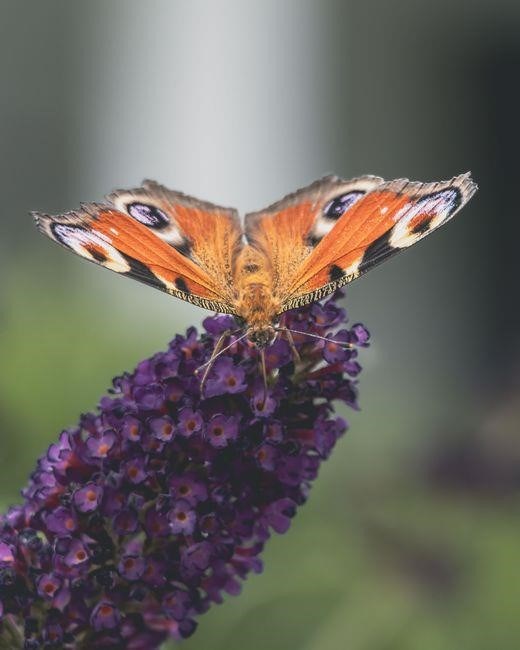
Setting Up and Caring for Caterpillars
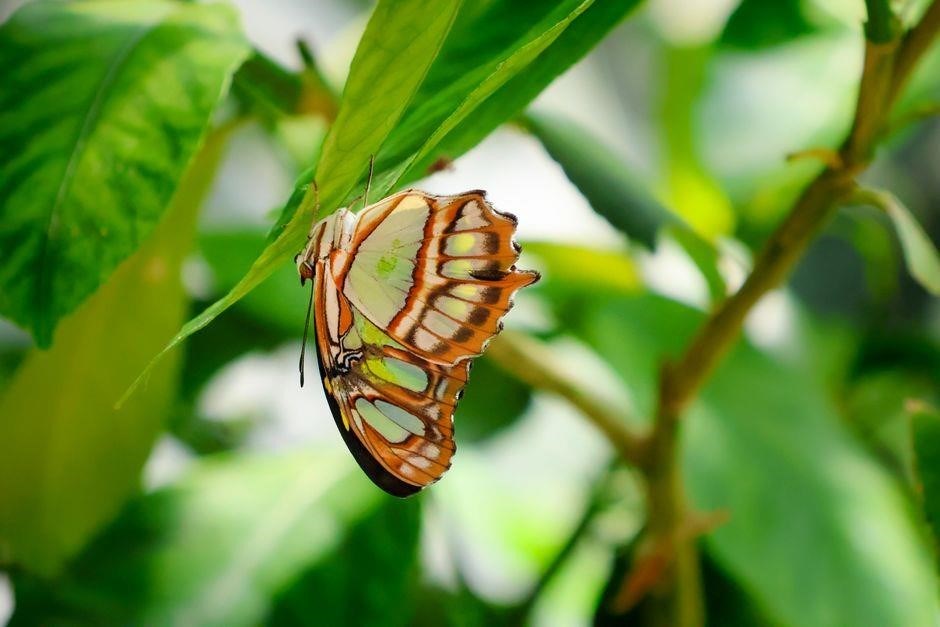
Unbox the kit, inspect each caterpillar, and place them in the provided mesh enclosure. Maintain 70‑80°F, 60‑80% humidity, and 12‑hour light cycles. Feed fresh host leaves twice daily, removing wilted ones. Monitor growth, noting molting events, and keep the dome clean to prevent mold. and observe daily changes.!.
Step-by-Step Instructions
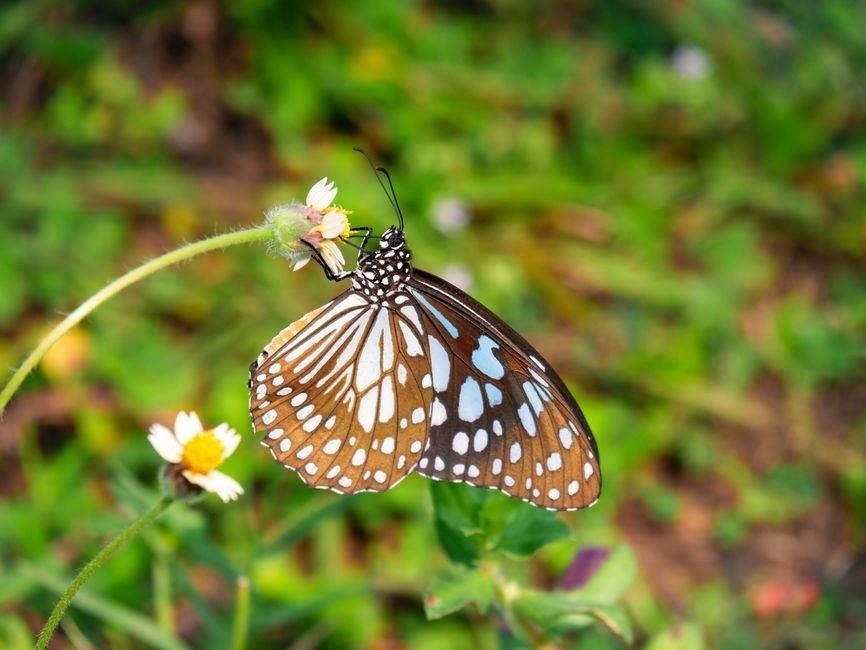
Begin by opening the kit’s protective packaging. Carefully remove each component, noting the five live caterpillars, the clear observation dome, the fold‑out life‑cycle panel, and the STEM butterfly journal. Place the caterpillars in the supplied mesh enclosure, ensuring the mesh is secure and the enclosure sits on a flat, stable surface. Adjust the enclosure’s temperature to 70–80 °F and maintain 60–80 % relative humidity; use a small, battery‑powered humidifier if needed. Set a 12‑hour light cycle with a natural‑light source or a low‑intensity LED lamp to simulate daylight. Feed the caterpillars fresh host‑plant leaves twice daily, rotating the leaves to prevent mold and to encourage healthy growth. Monitor the caterpillars for molting; record each molt in the journal, noting the date and any changes in size or behavior. When a caterpillar reaches the final larval stage, gently transfer it to a pre‑prepared chrysalis chamber. Keep the chamber in a quiet area, away from drafts, and continue to provide a light source. Observe the pupation process, documenting the time it takes for the chrysalis to harden. Once the butterfly emerges, allow it to rest for 24–48 hours before releasing it into an outdoor environment that is sunny, clear, and between 55–90 °F. After release, return to the journal to log the butterfly’s flight path and any notable behaviors. Clean the enclosure daily with a mild, insect‑safe disinfectant, and replace the mesh if it becomes damaged. Handle the caterpillars gently, using tweezers or a soft brush to avoid injury. By following these steps, students and hobbyists alike can witness the full transformation while gaining hands‑on STEM skills and observe now
Unboxing and Inspection
Start by carefully opening the sealed box, noting the protective cardboard sleeve and the clear plastic lid. Inside, the kit is arranged in a color‑coded layout: five live Painted Lady caterpillars in individual, breathable mesh bags; a translucent observation dome with a hinged lid; a fold‑out life‑cycle panel that illustrates each developmental stage; a sturdy, laminated STEM butterfly journal; and a small instruction booklet. Gently remove each bag, holding the caterpillars by the thorax to avoid damaging the delicate legs. Inspect the caterpillars for any signs of stress—look for pale or discolored segments, missing setae, or abnormal posture. If any caterpillar appears unhealthy, contact the manufacturer’s support line before proceeding. Next, place the mesh bags on a clean, flat surface and open the observation dome. The dome’s interior should be free of dust; wipe it with a soft, lint‑free cloth if necessary. Check the dome’s hinges for smooth operation and ensure the mesh inside the dome is intact, with no holes or frayed edges. The fold‑out panel should be fully unfolded; verify that each illustration matches the corresponding stage described in the booklet. Finally, review the STEM journal’s layout: sections for daily observations, photos, and notes on feeding, molting, and metamorphosis. Ensure the journal pages are not torn or warped. Once all components are inspected and confirmed in good condition, the kit is ready for assembly and the first feeding session.
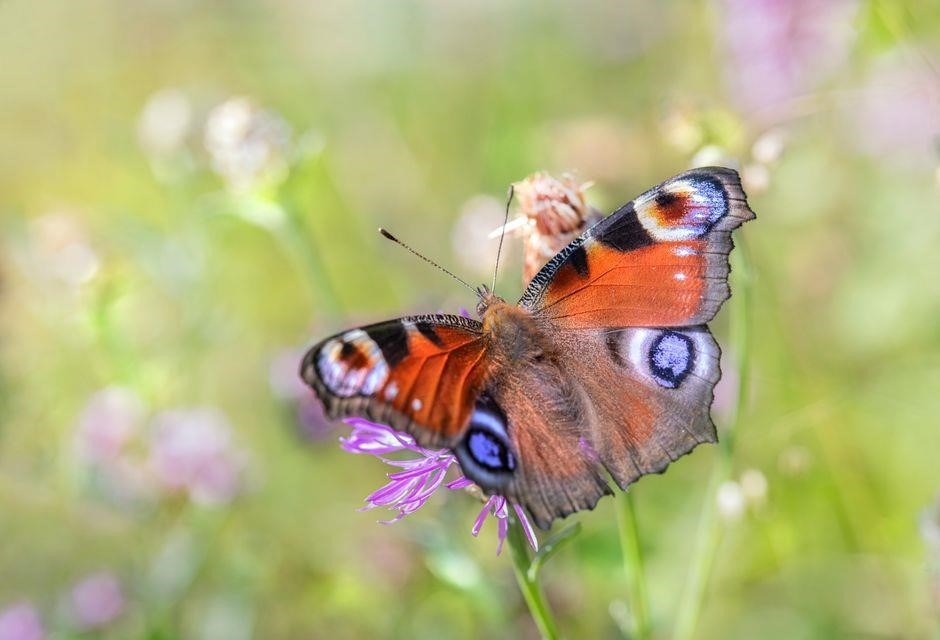
Before starting, set up a dedicated workspace: a clean table, a shallow tray for excess water, a small fan for gentle airflow, and a timer to track light cycles. Keep the kit away from direct sunlight, pets, and children. Label each mesh bag with a waterproof marker: “Caterpillar 1”, “Caterpillar 2”, etc. This labeling will help track individual growth and prevent mix‑ups during feeding and observation. Use a small, soft brush to gently remove any debris from the caterpillars’ bodies. Place the mesh bags on the tray and position the observation dome over the tray, ensuring the dome’s base sits flush with the tray to avoid gaps where moisture could escape. Check the dome’s seal by pressing gently; it should hold air without leaking. Finally, review the instruction booklet’s safety guidelines: avoid using soap or chemicals on the insects, and never expose them to extreme temperatures. With all safety measures in place, you can confidently proceed to the assembly stage.
Assembly
Begin by positioning the observation dome on a stable, level surface. The dome’s base should rest on a shallow tray to catch excess moisture. Carefully remove the protective film from the dome’s interior and place the mesh bags inside, ensuring each bag sits snugly against the dome’s walls. Use the included silicone seal strip to create an airtight barrier around the dome’s rim, preventing drafts that could disturb the caterpillars’ temperature. Next, attach the fold‑out life‑cycle panel to the dome’s side using the provided Velcro strips; the panel should be fully unfolded and aligned with the dome’s interior for easy viewing. Slide the STEM butterfly journal into the designated slot beneath the dome; the journal’s elastic band will hold it securely; Install the small, adjustable LED light fixture on the dome’s top, positioning it to provide 12‑hour light cycles that mimic natural daylight. Connect the light to a timer set to turn on at 7:00 AM and off at 7:00 PM. Finally, place a shallow, shallow water dish on the tray and add a few drops of distilled water to maintain humidity. Verify all components are secure before proceeding to the feeding schedule. After the butterflies emerge, keep the dome in a cool, shaded area during the night to prevent overheating, and check daily for mold or contamination. If any mold appears, discard the affected material immediately. Store the remaining caterpillars in a separate, clean container until the next cycle. Follow the manufacturer’s guidelines for optimal temperature and humidity to ensure healthy development. Remember to label each mesh bag for tracking. Use a timer to automate feeding intervals.!!!??
Feeding Schedule
Feeding the caterpillars in the Insect Lore Butterfly Garden Kit requires a consistent, species‑specific schedule to ensure healthy growth and successful metamorphosis. Begin by placing a fresh batch of high‑quality, pesticide‑free host leaves—typically dandelion, clover, or a mix of garden greens—into each mesh bag. The leaves should be trimmed to a thickness that allows the caterpillars to feed comfortably without tearing. Every morning, at the same time, replace the old foliage with new leaves, ensuring that each bag receives an equal amount of fresh material. If the leaves become wilted or moldy, discard them immediately to prevent bacterial growth. The recommended feeding interval is 24 hours; if temperature rises above 85 °F, increase frequency to twice dailyand check humidity. Use a small, clean spoon or tweezers to transfer leaves, avoiding direct contact with the caterpillars to reduce stress. Maintain a humidity level of 60–70 % by misting the dome’s interior with distilled water twice a day, preferably in the early morning and late afternoon. Monitor the moisture on the leaves; if they dry out, add a light spray. Record the feeding times and leaf types in the included STEM journal to track growth patterns and identify any deviations. Consistency in feeding not only supports rapid development but also reduces the risk of fungal infections and ensures that the caterpillars reach the chrysalis stage on schedule. Following the kit’s guidelines, avoid over‑feeding, which can lead to mold and waste, and always replace the feeding tray with a clean one after each cycle to maintain optimal hygiene. By following this routine, you’ll see a smooth transition from caterpillar to butterfly, ending with a successful release that shows nature’s wonder.
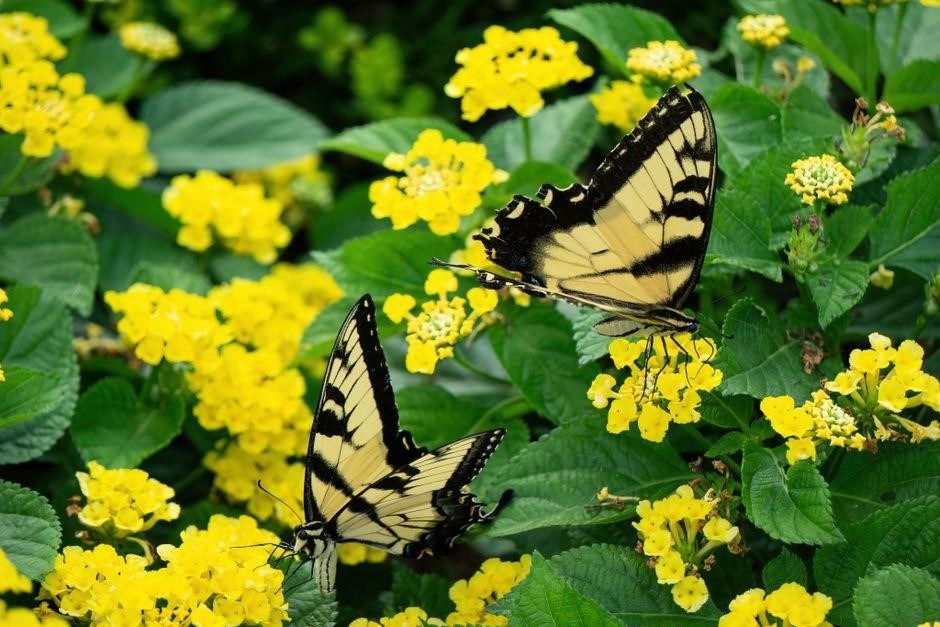
Releasing Butterflies & Aftercare
Release butterflies when sunny, temperatures 55‑90°F. Open dome, gently guide wings, allow flight. Observe for 10 min, then return to enclosure. Keep moist, provide fresh leaves, record in journal.
After release, keep the enclosure humid and provide fresh leaves; record observations in the journal now.
Ideal Weather Conditions
In addition, keep the release area free of strong drafts and avoid late afternoon releases when temperatures drop sharply. A gentle breeze of 5–10 mph is ideal, as stronger winds can disorient young butterflies. Also, ensure that the release site has ample nectar sources and host plants nearby to encourage immediate feeding and migration. Monitoring local weather forecasts for sudden changes helps prevent premature release during unexpected cold fronts. Always check local advisories before release.!!
Release Procedure
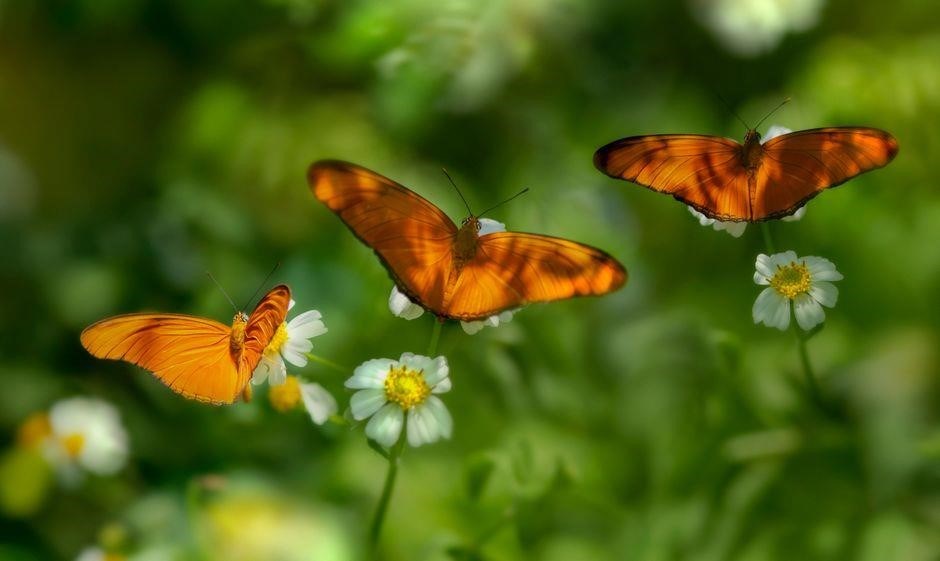
To release the butterflies, first select a sheltered, sunny spot with plenty of nectar and host plants. Ensure the temperature is between 55°F and 90°F and wind speed is below 10 mph. Open the mesh enclosure slowly to avoid startling the butterflies. Hold each butterfly gently by the thorax, allowing the wings to dry for 30–60 seconds before letting go. Release one at a time, giving each a 2–3 minute interval to settle. Observe flight patterns and adjust if any butterflies appear hesitant. If a butterfly lands on a surface, gently lift it and release it again. After all butterflies have flown, close the enclosure and store it in a cool, dry place until the next cycle. This procedure promotes successful emergence and healthy migration.
Before opening the enclosure, check that the release area is free of pets, children, and any potential hazards. Keep a small towel or cloth nearby to gently wipe any debris from the butterfly’s wings. After release, monitor the butterflies for 15–20 minutes to ensure they are flying normally. If any appear disoriented, gently guide them back into the enclosure, allowing them to rest for a few minutes before attempting another release. Record observations in the included STEM journal, noting wing patterns, flight speed, and any interactions with local flora. This data enriches the educational experience and helps track the success rate of each batch.
Store the enclosure in a cool, dry place until the next cycle This keeps caterpillars healthy for the next metamorphosis
Post-Release Observation
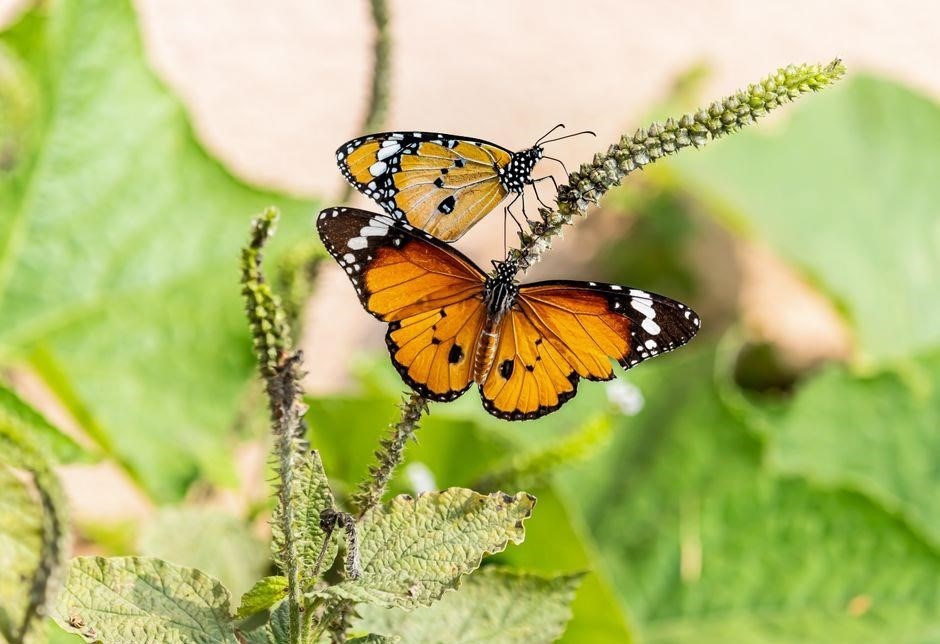
After butterflies have taken flight, carefully observe their behavior for 15–20 minutes. Note wing patterns, flight speed, and any interactions with local flora. Use the included STEM journal to record observations, including date, time, weather conditions, and any notable behaviors such as hovering, nectaring, or territorial displays. If a butterfly lands on a plant, gently lift it and release it again to encourage continued flight. Monitor for signs of stress—such as erratic flight or reluctance to leave the release area—and provide a brief rest period if needed. Keep a small towel or cloth nearby to wipe any debris from wings, ensuring the butterflies remain clean and healthy. Record the number of butterflies that successfully take off versus those that remain stationary. This data helps assess the success rate of each batch and informs future release strategies. Additionally, observe how the butterflies interact with the surrounding environment; note whether they prefer certain flowers or avoid specific areas, which can guide future placement of release sites. Finally, after the observation period, close the enclosure and store it in a cool, dry place until the next cycle. This careful documentation supports educational goals and enhances the overall learning experience for students and hobbyists alike.
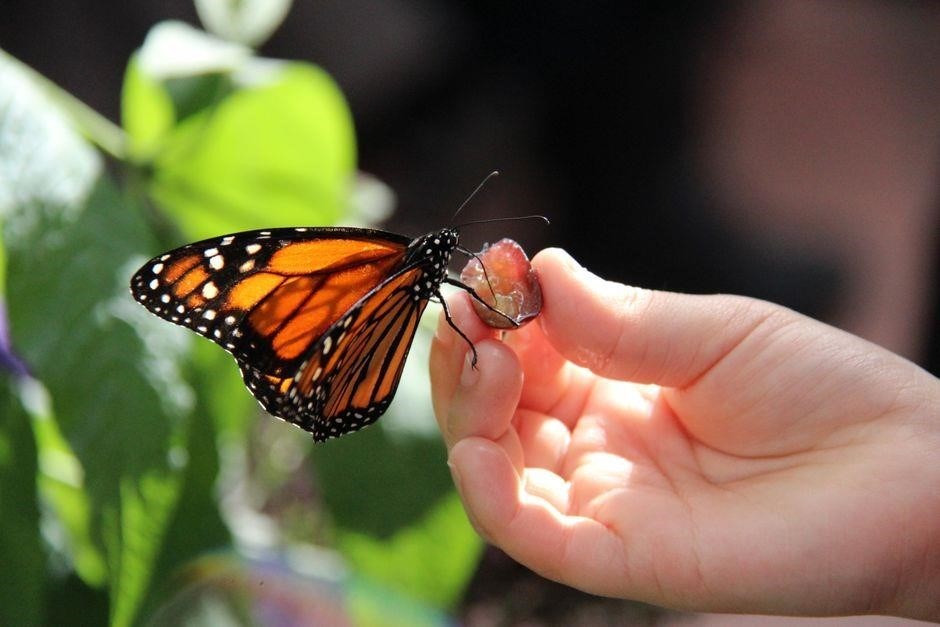
During observation, note butterflies’ responses to light and temperature changes, as these factors influence flight patterns. Record any wing fluttering or altitude shifts, and compare behaviors across individuals. This data enriches STEM learning. daily data